Chhatrapati Shivaji Maharaj Jayanti — Tithi Observance
When it falls
The date shifts because it tracks the moon, not the Gregorian calendar.
Calculated for India (IST) using precise Panchang astronomy. Dates can shift by a day at locations far to the east or west.
What tithi-based Shiv Jayanti commemorates
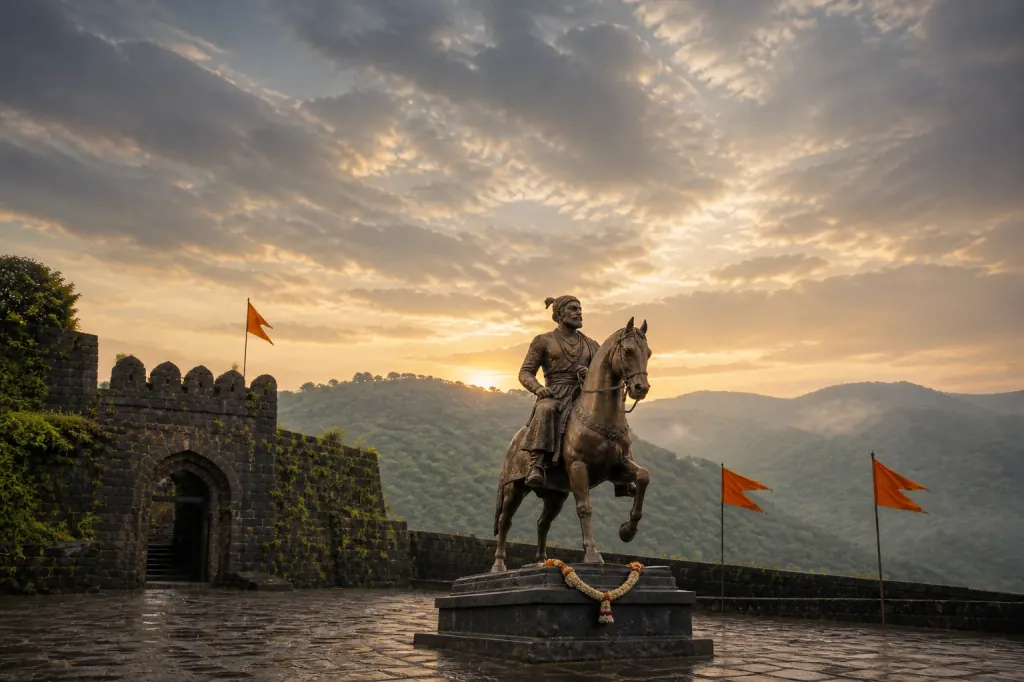
Chhatrapati Shivaji Maharaj Jayanti — Tithi Observance marks the birth anniversary of Chhatrapati Shivaji Maharaj by the Marathi lunar birth tithi, Phalgun Vadya Tritiya. Shivaji Maharaj was born at Shivneri Fort in 1630 and established the Maratha kingdom, becoming central to Maharashtra's historical memory and the ideal of Swarajya.
A tithi is a lunar day, so its Gregorian date moves from year to year. This observance therefore appears on a computed civil date, while Maharashtra's official civic commemoration remains fixed on 19 February. Both dates are printed and observed in Maharashtra; one should not be described as an accidental duplicate of the other.
The content of the commemoration is historical and civic rather than one mandatory religious rite. Memorial tributes, powadas, processions, lectures, plays, exhibitions, school programs, and fort-based gatherings help communities revisit Shivaji Maharaj's leadership, administration, military organisation, and continuing public legacy.
Rituals & observance
Tithi-based Shiv Jayanti is marked through remembrance, history, culture, and public participation. Local civic arrangements determine the form of gatherings and processions.
- Floral tribute: portraits, statues, and memorials of Chhatrapati Shivaji Maharaj are cleaned, decorated, and garlanded.
- Powada and historical narration: singers, speakers, and theatre groups recount episodes from Shivaji Maharaj's life through powadas, readings, plays, and lectures.
- Processions and flags: communities may organise rallies with traditional dress, music, and saffron flags under local safety and civic rules.
- Programs at forts: Shivneri, Raigad, Sinhagad, and other places linked with Maratha history host commemorative and heritage-focused activities.
- Learning and public service: schools and organisations may hold exhibitions, competitions, fort-cleaning drives, or service projects tied to the day's civic meaning.
Regional variations
How this date is determined
Observed on the Tritiya tithi of Chaitra (Krishna paksha), reckoned by sunrise (udaya tithi).
Dates are computed to astronomical precision (NASA/JPL ephemeris), in line with traditional panchang.