Calendar tools
Daily Essentials
Muhurat & Timing
Checks & Alerts
Personal Timing
Bengali Year 2026
Bengali Festivals 2026
New Delhi, Delhi, India · 12 lunar months
New Delhi, Delhi, India
Change
2026 includes 193 festivals and observances in the Bengali calendar. Major celebrations include Republic Day, Dol Purnima, Independence Day, Sharad Navratri, Maha Saptami. New to the Vedic calendar? See how it works.
Today · Mon, Aug 24
Dwadashi · PurvaAshadha · Shrabon
Bengali months in 2026
| Month | Starts | Ends | Days | Month |
|---|---|---|---|---|
| Poush | 17 Dec 2025 | 14 Jan 2026 | 29 | View December 2025 |
| Magh | 15 Jan 2026 | 13 Feb 2026 | 30 | View January |
| Falgun | 14 Feb 2026 | 15 Mar 2026 | 30 | View February |
| Choitro | 16 Mar 2026 | 14 Apr 2026 | 30 | View March |
| Boishakh | 15 Apr 2026 | 15 May 2026 | 31 | View April |
| Joishtho | 16 May 2026 | 15 Jun 2026 | 31 | View May |
| Asharh | 16 Jun 2026 | 16 Jul 2026 | 31 | View June |
| Shrabon | 17 Jul 2026 | 17 Aug 2026 | 32 | View July |
| Bhadro | 18 Aug 2026 | 17 Sep 2026 | 31 | View August |
| Ashshin | 18 Sep 2026 | 17 Oct 2026 | 30 | View September |
| Kartik | 18 Oct 2026 | 16 Nov 2026 | 30 | View October |
| Ogrohaeon | 17 Nov 2026 | 16 Dec 2026 | 30 | View November |
| Poush | 17 Dec 2026 | 14 Jan 2027 | 29 | View December |
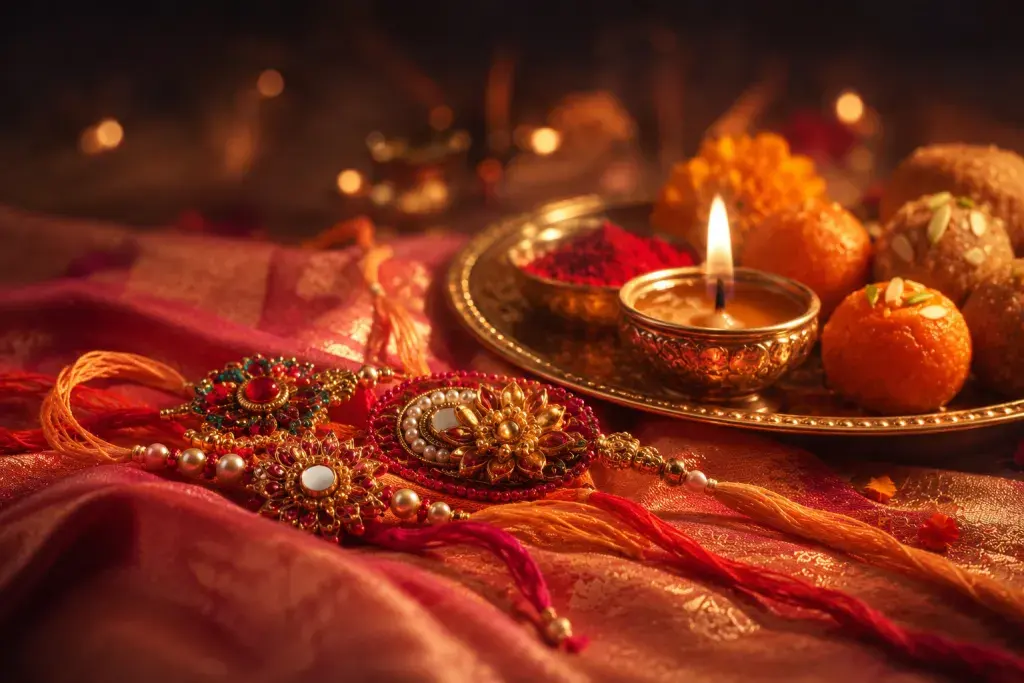 Next great festival
Raksha Bandhan
in 4 days
Next great festival
Raksha Bandhan
in 4 days
Also on the horizon



January
Magh
JAN16
Ratanti Kali Puja
রটন্তী কালী পূজা
Goddess Kali
JAN23
Saraswati Puja
সরস্বতী পূজা
Goddess Saraswati
JAN25
Surya (Sun God)
JAN26
Republic Day
Major
Vrats & fasting days
Ekadashi
Chaturthi & Chauth
Shivaratri
Purnima
Amavasya
Other fasts
February
Falgun
FEB15
Lord Shiva
Vrats & fasting days
Ekadashi
Pradosh
Chaturthi & Chauth
Shivaratri
Purnima
March
Choitro
MAR2
Prahlad
MAR3
Lord Krishna
MAR19
Goddess Durga
MAR26
Lord Rama
MAR26
Annapurna Puja
অন্নপূর্ণা পূজা
Goddess Annapurna
MAR26
Basanti Puja
বাসন্তী পূজা
Goddess Durga
MAR27
Swaminarayan
Vrats & fasting days
Ekadashi
Chaturthi & Chauth
Shivaratri
Purnima
Other fasts
April
Boishakh
APR2
Lord Hanuman
APR13
Neel Sasthi
নীল ষষ্ঠী
Lord Shiva (Neelkantha)
APR14
Mesha Sankranti
মেষ সংক্রান্তি
APR14
Charak Puja
চড়ক পূজা
Lord Shiva
APR15
Pohela Boishakh
পহেলা বৈশাখ
APR19
Lord Vishnu, Goddess Lakshmi
APR19
Lord Parashurama
APR23
Goddess Ganga
APR25
Goddess Sita
APR30
Lord Narasimha
Vrats & fasting days
Ekadashi
Chaturthi & Chauth
Shivaratri
Purnima
May
Joishtho
MAY1
Lord Buddha
MAY2
Narada Muni
MAY16
Shani Dev
MAY16
Phalaharini Kali Puja
ফলহারিণী কালী পূজা
Goddess Kali
MAY25
Ganga Puja
গঙ্গা পূজা
Goddess Ganga
Vrats & fasting days
Ekadashi
Chaturthi & Chauth
Shivaratri
Purnima
June
Joishtho
JUN20
Jamai Shashti
জামাই ষষ্ঠী
Goddess Shashthi
JUN29
Snan Yatra
স্নান যাত্রা
Lord Jagannath
Vrats & fasting days
Ekadashi
Chaturthi & Chauth
Shivaratri
Purnima
July
AsharhVrats & fasting days
Ekadashi
Chaturthi & Chauth
Shivaratri
Purnima
August
Shrabon
AUG15
Independence Day
Major
AUG23
Jhulan Yatra
ঝুলন যাত্রা
Lord Krishna, Radha
AUG28
Goddess Gayatri
Vrats & fasting days
Chaturthi & Chauth
Shivaratri
Purnima
September
Bhadro
SEP1
Nag Panchami
নাগ পঞ্চমী
Manasa, Naga (Serpent deities)
SEP4
Lord Krishna
SEP14
Lord Ganesha
SEP16
Lord Balarama
SEP17
Vishwakarma Puja
বিশ্বকর্মা পূজা
SEP19
Radha
SEP25
Lord Vishnu, Lord Ganesha
Vrats & fasting days
Ekadashi
Chaturthi & Chauth
Shivaratri
Purnima
Other fasts
October
Ashshin
OCT11
Sharad Navratri
Major
Goddess Durga
OCT16
Maha Shashthi
মহাষষ্ঠী
Goddess Durga
OCT17
Goddess Durga
OCT19
Goddess Durga
OCT20
Goddess Durga
OCT21
Goddess Durga
OCT25
Kojagari Lakshmi Puja
কোজাগরী লক্ষ্মী পূজা
Goddess Lakshmi, Lord Krishna
Vrats & fasting days
Ekadashi
Chaturthi & Chauth
Shivaratri
Purnima
November
Kartik
NOV7
Bhoot Chaturdashi
ভূত চতুর্দশী
NOV11
Bhai Phonta
ভাই ফোঁটা
Yama, Yamuna
NOV18
Jagaddhatri Puja
জগদ্ধাত্রী পূজা
Goddess Jagaddhatri
NOV20
Lord Krishna
NOV21
Tulsi, Lord Vishnu
NOV24
Rash Purnima
রাস পূর্ণিমা
Lord Krishna, Radha
Vrats & fasting days
Ekadashi
Chaturthi & Chauth
Shivaratri
Purnima
Other fasts
December
OgrohaeonNothing selected — turn on at least one category above.
Frequently Asked Questions
Which Bengali festivals always fall on the same Gregorian date every year?
Solar-anchored festivals are essentially fixed: Naba Barsha (Boishakh 1) always falls on April 14 (occasionally April 15 in a Gregorian leap-year adjustment). Poush Sankranti always falls on January 14 — the same day as Makar Sankranti across India, Pongal in Tamil Nadu, Uttarayan in Gujarat, and Lohri in Punjab, all observing the Sun's entry into Capricorn. Most other Bengali festivals are tithi-anchored and shift annually: Durga Puja moves within a two-to-three week window in late September to mid-October; Kali Puja moves with Kartika Amavasya in October-November; Saraswati Puja shifts within late January to mid-February depending on when Magh Shukla Panchami falls. For accurate dates in a given year, use this calendar and set your city in the location bar, as tithi boundaries are sunrise-dependent.
When is Durga Puja in 2026?
Durga Puja runs across Ashshin Shukla Saptami through Vijaya Dashami. Mahalaya — the preceding Amavasya, when the Chandipath dawn broadcast marks the beginning of Devi Paksha — sets the festival countdown. In 2026, Mahalaya and the Durga Puja five-day arc fall in late September to early October; the precise Saptami date depends on when the Ashshin Shukla tithi sequence begins after Mahalaya. Check the Ashshin month view on this app for city-specific tithi boundaries. Vijaya Dashami (Bisarjan, the immersion day) is the tenth tithi of Ashshin Shukla Paksha. Kojagari Lakshmi Puja follows on the same Purnima night — so the Ashshin festival arc runs from Mahalaya through the full moon.
What is Pithe parban?
Pithe parban is the Bengali festival of sweet rice cakes, centred on Poush Sankranti (January 14) — the day the Sun enters Capricorn, shared with Makar Sankranti across India and Pongal in Tamil Nadu. In Bengali tradition the emphasis falls entirely on the pithe: dozens of varieties of sweet cakes made from rice flour, jaggery, date palm sugar (nolen gur), coconut, and milk. Family matriarchs begin preparation the night before, often making puli pithe (rice flour dumplings filled with coconut-jaggery), gokul pithe (fried rice cakes in syrup), and patishapta (crêpe-style rolls filled with coconut and khoya). The extended family gathers on the morning of Poush Sankranti to eat together. The festival marks the winter's turn and the harvest season's close — different in expression from the kite-flying of Gujarat's Uttarayan or the rice-pot-boiling of Tamil Pongal, but the same astronomical anchor.
What is the difference between Lakshmi Puja and Kojagari, and how is it different from Diwali?
Kojagari Lakshmi Puja is the Bengali name for the Lakshmi Puja observed on Ashshin Purnima — the full moon of Bengali month Ashshin (Ashvina), immediately after Vijaya Dashami (the last day of Durga Puja). Families welcome Lakshmi by lighting clay lamps, drawing alpana (floor patterns), and offering sweets, fruits, and lotus flowers. 'Kojagari' means 'who is awake?' — a reference to the belief that Lakshmi visits only those households where the lamps burn through the night. This is entirely distinct from the Lakshmi Puja observed in North and West India on Kartika Amavasya (Diwali night). Bengal observes Kali Puja on that same Kartika Amavasya night — the night that north India lights lamps for Lakshmi, Bengal lights them for Kali. These are two different festivals on two different tithis, separated by about two weeks.
What is Charak Puja and what is Gajan?
Charak Puja is a Shaiva folk festival observed on Choitro Sankranti eve — the last day of the Bengali year, typically April 13. Devotees of Shiva undergo austerities and, in the traditional form, are suspended from the Charak tree (a vertical pole with a rotating arm) by hooks pierced through the skin and rotated. The practice is now less common in its severe form but remains symbolically observed in rural Bengal. Gajan is the broader festival cycle of Shaiva rituals in Choitro and occasionally extending into the end of Bhadro — folk performances, processions of Shiva devotees (Gambhira dancers in some areas), and rites associated with Shiva, Dharmaraj, and Nilkantha. Gajan has pre-Brahminical roots and is most intensely observed in West Bengal's rural districts. Both Charak and Gajan mark the closing of the Bengali year before Naba Barsha on Boishakh 1.
Why does the Bengali year begin on April 14 instead of January 1?
The Bengali Bangabda calendar is a solar calendar tied to Mesha sankranti — the Sun's entry into Aries (Mesha rashi). This is the same astronomical anchor as Tamil Puthandu and Punjabi Vaisakhi, which fall on the same day. The Gregorian January 1 has no astrological or seasonal significance in Bengali tradition. The Mesha sankranti in mid-April marks the astronomical start of the solar year as understood in Vedic and subsequent Indian mathematical astronomy — the Sun at the vernal equinox position (accounting for ayanamsa). The Bengali new year at this point is shared by several Indian solar calendar traditions; what makes it Bangabda-specific is the epoch (starting ~593 CE) and the cultural practices — Halkhata, Mangal Shobhajatra, the spring fair — attached to Naba Barsha.