Calendar tools
Daily Essentials
Muhurat & Timing
Checks & Alerts
Personal Timing
Vikram Samvat 83 – 84
Hindu Festivals 2026
New Delhi, Delhi, India · Lunar months
New Delhi, Delhi, India
Change
2026 includes 324 festivals and observances in the Hindu calendar. Major celebrations include Republic Day, Holi, Independence Day, Sharad Navratri, Dussehra. New to the Vedic calendar? See how it works.
Today · Sun, Oct 25
Chaturdashi · Revati · Ashvina
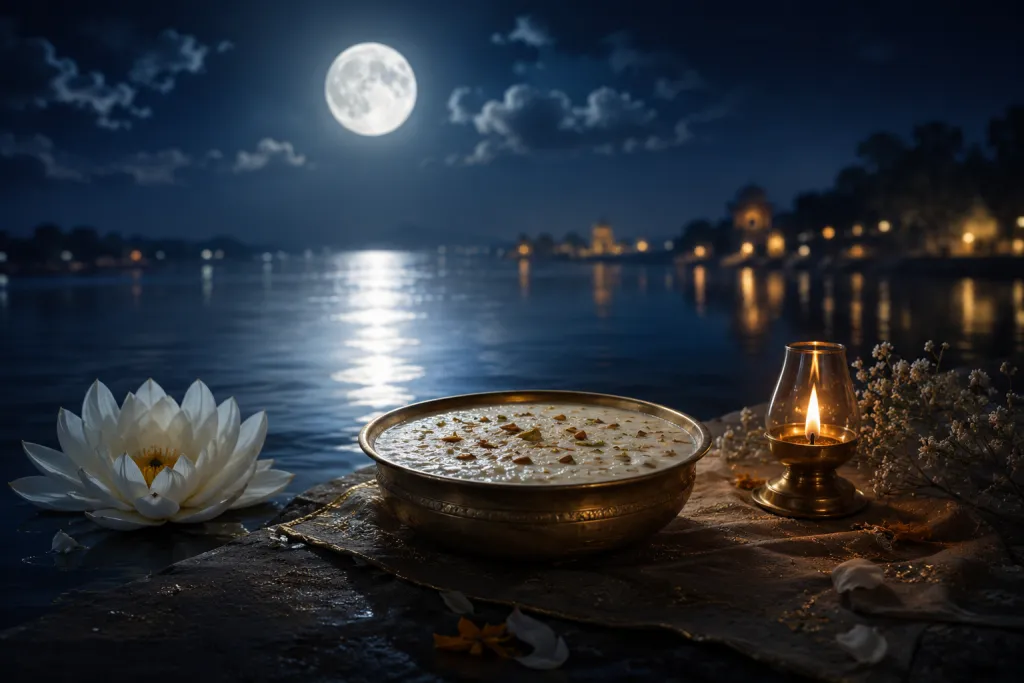 Next great festival
Sharad Purnima
Today
Next great festival
Sharad Purnima
Today
Also on the horizon
January
Pausha / MaghaFebruary
Magha / PhalgunaVrats & fasting days
Ekadashi
Pradosh
Chaturthi & Chauth
Shivaratri
Purnima
Amavasya
Other fasts
March
Phalguna / ChaitraApril
Chaitra / VaisakhaMay
Vaisakha / Jyaistha AdhikJune
Jyaistha / AshadhaJuly
Ashadha / ShravanaAugust
Shravana / Bhadrapada
AUG15
Independence Day
Major
AUG17
Naga (Serpent deities)
AUG18
Lord Vishnu (Kalki avatar)
AUG23
Lord Krishna, Radha
AUG28
Goddess Gayatri
Vrats & fasting days
Chaturthi & Chauth
Shivaratri
Purnima
Other fasts
- AUG 5 Kalashtami
- AUG 13 Brihaspati Pujan
- AUG 14 Mahalakshmi Sthapan
- AUG 14 Jivati Pujan
- AUG 15 Hariyali Teej
- AUG 15 Ashwattha Maruti Pujan
- AUG 16 Aditya Pujan
- AUG 17 Shravan Somvar
- AUG 18 Mangala Gauri
- AUG 19 Budh Pujan
- AUG 20 Brihaspati Pujan
- AUG 20 Masik Durgashtami
- AUG 21 Jivati Pujan
- AUG 22 Ashwattha Maruti Pujan
- AUG 23 Aditya Pujan
- AUG 24 Shravan Somvar
- AUG 25 Mangala Gauri
- AUG 26 Budh Pujan
- AUG 27 Brihaspati Pujan
- AUG 28 Jivati Pujan
- AUG 28 Varalakshmi Vrat
- AUG 29 Ashwattha Maruti Pujan
- AUG 30 Aditya Pujan
- AUG 31 Kajari Teej
- AUG 31 Shravan Somvar
September
Bhadrapada / Ashvina
SEP1
Manasa, Naga (Serpent deities)
SEP2
Naga (Serpent deities)
SEP4
Lord Krishna
SEP13
Lord Vishnu (Varaha avatar)
SEP14
Lord Ganesha
SEP16
Lord Balarama
SEP17
Goddess Gauri (Mahalakshmi)
SEP17
Lord Vishwakarma
SEP18
Goddess Gauri (Mahalakshmi)
SEP19
Radha
SEP19
Goddess Gauri (Mahalakshmi)
SEP23
Lord Vishnu (Vamana avatar)
SEP25
Lord Vishnu, Lord Ganesha
Vrats & fasting days
Ekadashi
Chaturthi & Chauth
Shivaratri
Purnima
Other fasts
- SEP 1 Mangala Gauri
- SEP 2 Budh Pujan
- SEP 3 Shitala Satam
- SEP 3 Brihaspati Pujan
- SEP 4 Jivati Pujan
- SEP 4 Kalashtami
- SEP 5 Ashwattha Maruti Pujan
- SEP 6 Aditya Pujan
- SEP 7 Shravan Somvar
- SEP 8 Mangala Gauri
- SEP 9 Budh Pujan
- SEP 10 Brihaspati Pujan
- SEP 11 Jivati Pujan
- SEP 14 Hartalika Teej
- SEP 14 Kevda Trij
- SEP 15 Rishi Panchami
- SEP 19 Masik Durgashtami
- SEP 27 Pitrupaksha
October
Ashvina / Kartika
OCT11
Sharad Navratri
Major
Goddess Durga
OCT16
Goddess Saraswati
OCT16
Goddess Durga
OCT17
Goddess Saraswati
OCT17
Goddess Durga
OCT18
Goddess Saraswati
OCT19
Goddess Durga
OCT19
Goddess Durga
OCT19
Goddess Saraswati
OCT20
Goddess Durga
OCT21
Goddess Durga
OCT25
Goddess Lakshmi, Lord Krishna
Vrats & fasting days
Ekadashi
Chaturthi & Chauth
Shivaratri
Purnima
Amavasya
November
Kartika / Margashirsha
NOV7
Lord Hanuman
NOV8
Lord Krishna
NOV8
Goddess Lakshmi, Goddess Sharda
NOV9
Lord Krishna
NOV11
Yama, Yamuna
NOV15
Surya (Sun God), Chhathi Maiya
NOV16
Sant Jalaram Bapa
NOV18
Goddess Jagaddhatri
NOV20
Lord Krishna
NOV21
Tulsi, Lord Vishnu
NOV24
Lord Shiva
NOV24
Lord Krishna, Radha
Vrats & fasting days
Chaturthi & Chauth
Shivaratri
Purnima
Amavasya
December
Margashirsha / PaushaNothing selected — turn on at least one category above.
Frequently Asked Questions
Which festivals fall on roughly the same Gregorian date every year?
Solar-anchored festivals are tied to the Sun's transit through a zodiac sign rather than the moon phase, so they repeat within a day or two on the Gregorian calendar. Makar Sankranti always falls on January 14 or 15 (Sun enters Capricorn). Mesha Sankranti (Sun enters Aries) is April 13–14, celebrated as Baisakhi in Punjab, Puthandu in Tamil Nadu, and Poila Baisakh in Bengal. Karka Sankranti (Sun enters Cancer) is July 15–16. All other major Hindu festivals — Diwali, Holi, Navratri, Janmashtami, Ganesh Chaturthi, Ram Navami, Ekadashis — are lunar and shift 11 days earlier on the Gregorian calendar each year, corrected periodically by an extra month.
What is Chaturmas and when is it?
Chaturmas literally means 'four months' — the period from Devshayani Ekadashi (Ashadha Shukla 11, typically late June or early July) to Devuthani Ekadashi (Kartika Shukla 11, typically October or November). During this period, Lord Vishnu is believed to be in yoganidra (cosmic sleep), and no major auspicious life events — vivah, upanayanam, griha pravesh, mundan — are conducted by most Hindu communities. Vaishnavas and many North Indian families observe all four months strictly. Some communities observe only the core two months (Ashadha and Bhadrapada). Chaturmas ends with Devuthani Ekadashi, also called Tulsi Vivah, when auspicious events resume. The wedding season that opens in November and runs through winter is directly a consequence of this annual pause.
When are the major Ekadashis in the Hindu year?
There are 24 Ekadashis in a standard year (two per lunar month, one in Shukla paksha and one in Krishna paksha), with an extra two in a leap year with an Adhika Maasa. The four most widely observed are: Devshayani Ekadashi (Ashadha Shukla 11) marking the start of Chaturmas; Devuthani Ekadashi (Kartika Shukla 11) ending Chaturmas; Vaikuntha Ekadashi (Margashirsha Shukla 11 in Tamil Margazhi), the holiest Vaishnava Ekadashi; and Mokshada Ekadashi (also Margashirsha Shukla 11 in the North Indian convention), the day the Bhagavad Gita was narrated. Most observant Vaishnavas keep all 24.
How does the Amanta or Purnimanta toggle affect the year festival list?
Festival dates are completely identical between Amanta and Purnimanta — Diwali is on the same Gregorian date, Holi is on the same date, every Ekadashi is on the same date. The toggle only changes the lunar month name under which each festival is listed. A festival in the Krishna Paksha of Bhadrapada (like Pitru Paksha) remains in Bhadrapada in Purnimanta, but appears in Ashvina in Amanta — same dates, different heading. For most festival-planning purposes you will not notice the difference. It matters most for understanding which month a family panchang refers to when it says 'Ashvina Krishna Ashtami' versus 'Bhadrapada Krishna Ashtami'.
What is the difference between this Hindu calendar and a regional calendar like Tamil or Bengali?
This Hindu calendar uses lunar months — Chaitra, Vaisakha, Jyaistha, Ashadha, Shravana, Bhadrapada, Ashvina, Kartika, Margashirsha, Pausha, Magha, Phalguna — which drift against the Gregorian year. The Tamil calendar uses solar months (Chithirai, Vaikasi, Aani…) tied to the Sun's position in each zodiac sign; Tamil months are stable relative to the Gregorian calendar. The Bengali calendar is also solar (Boishakh, Jyaishtha, Asharh…) with a different year count. This Hindu page shows pan-Indian festivals valid across all traditions. The Tamil and Bengali tradition pages on this site add region-specific festivals (Pongal, Naba Barsha) that are not on the Hindu page.
Why does the Vikram Samvat year sometimes read 2082 in other sources?
There are two conventions for when Vikram Samvat rolls over to the new year. The North Indian convention — used on this page — increments at Chaitra Shukla Pratipada, which falls in late March or early April. So from January 1 until Chaitra Shukla Pratipada, the VS year is still 2082; it becomes 2083 after that point in spring 2026. The Gujarati convention increments at Kartika Shukla Pratipada — the day after Diwali, called Bestu Varas — which means Gujarati sources switched to 2082 at Diwali 2025 and will switch to 2083 at Diwali 2026. Both are valid; the page makes clear which convention it follows.