Fagan · 2079

Gujarati Calendar

January 2023 · 31 days
Columbus, Ohio, US Change
Ayanamsa
Day starts at
Affects display only in v1; calculation uses sunrise reckoning.
Time format
Cell density
Show festivals & vrats
Show panchak / bhadra
1
Excellent
3
Good
21
Mixed
6
Challenging

Festivals & vrats this month

View all 5 →
Excellent
Good
Mixed
Challenging
Panchak Bhadra (Vishti Karana) Click any day for full Panchang details
📖 About the Gujarati Calendar
Lunisolar system · Tithi, nakshatra, paksha
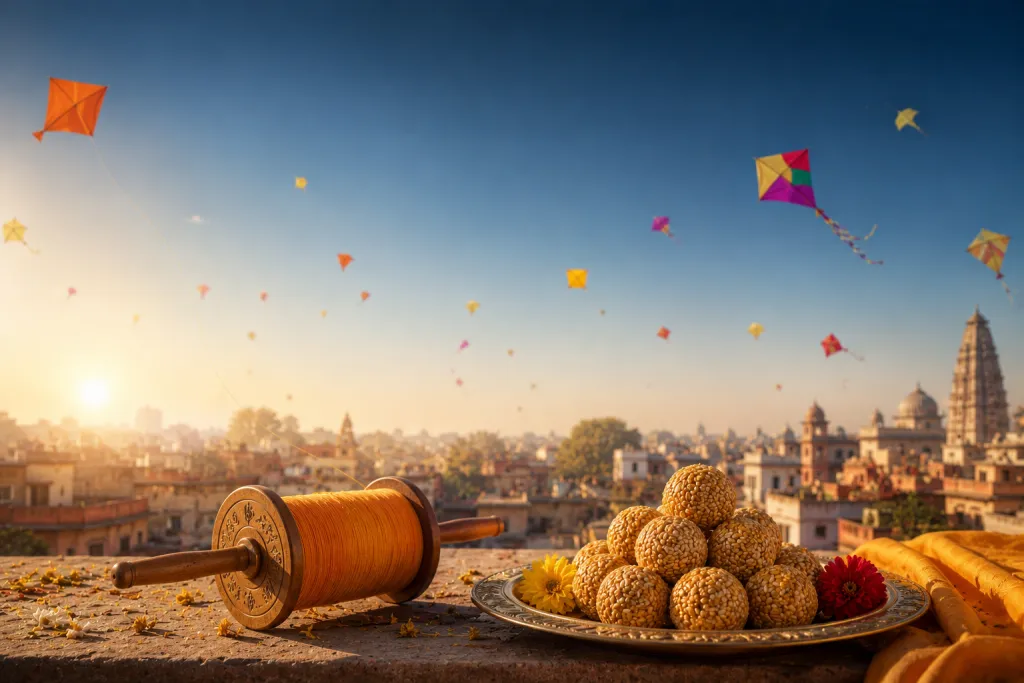
The Gujarati Calendar shows the current Gregorian month through the lens of Vikram Samvat 2082 — the Kartik-based Gujarati year that opened on Bestu Varas in November 2025 and will roll to VS 2083 on the day after Diwali in 2026. Daily tithis, nakshatras, and festival markers follow the Amanta lunar convention: each lunar month ends at Amavasya (new moon) and the month names are the regional Gujarati forms — Kartak, Magshar, Posh, Maha, Fagan, Chaitra, Vaishakh, Jeth, Ashadh, Shravan, Bhadarvo, Aaso — covering the year from Kartak through to the Diwali week in Aaso. The defining feature of Gujarati calendar reckoning is the Kartik-based Vikram Samvat. While most North Indian Hindu panchangs (including this app's Hindu page) use a Chaitra-based VS that rolls on Chaitra Shukla Pratipada (Gudi Padwa, late March or early April), the Gujarati VS rolls on Bestu Varas — Kartak Shukla Pratipada, the morning after Diwali, in late October or mid-November. This creates a window of roughly seven months each year (April through October) where the Gujarati VS year reads one behind the Chaitra-based VS year. For May 2026, the Gujarati VS is 2082 while the Hindu page shows VS 2083 — both correct within their own traditions. After Bestu Varas 2026 (November), both will read VS 2083. The underlying astronomical math is identical to the Hindu Amanta school: same Lahiri ayanamsa, same Amavasya boundary, same tithi calculation from the moon's angular separation from the sun. The differences are regional month names, the Kartik-based year rollover, and the distinctive Gujarati festival emphasis — Navratri Garba in Aaso, the Diwali week sequence (Diwali → Bestu Varas → Bhai Bij → Labh Pancham), Uttarayan kite festival in Maha, and Akshay Trij as the year's gold-purchase day in Vaishakh.

Frequently Asked Questions

Why is the Gujarati VS year different from the Hindu page's VS year for part of the year?

Both pages use Vikram Samvat, but the rollover date differs. The Hindu (pan-Indian) VS rolls on Chaitra Shukla Pratipada — late March or early April (Gudi Padwa). The Gujarati VS rolls on Bestu Varas — Kartak Shukla Pratipada, the morning after Diwali in late October or mid-November. For May 2026, the Hindu page shows VS 2083 (rolled in March 2026); the Gujarati page shows VS 2082 (won't roll until Diwali 2026). After Bestu Varas in November 2026, both will read VS 2083. This off-by-one window runs roughly from Chaitra Shukla Pratipada (April) through Kartak Shukla Pratipada (November) each year. Neither is wrong — the two traditions simply chose different festival anchors for the year boundary.

What is Bestu Varas and why does the Gujarati year start then?

Bestu Varas (literally 'new year' in Gujarati) is Kartak Shukla Pratipada — the day after Diwali, when the Gujarati Vikram Samvat year increments. The timing ties the new year to the Diwali festival arc: Diwali is Lakshmi Puja on Aaso Krishna Amavasya, and Bestu Varas arrives the very next morning with Kartak Shukla Pratipada. Traders open their new account books in a ceremony called Chopda Puja the previous evening, then begin fresh sales on Bestu Varas. Families wear new clothes, visit the family deity, and exchange gifts. The Kartik anchor is distinct from the Chaitra-based Gudi Padwa (also called the Hindu new year in Maharashtra and parts of North India) — the astronomical days are different, and the VS year numbers diverge by one for most of the Gregorian year.

What is Chopda Puja?

Chopda Puja is the Gujarati account-book blessing ritual performed on Diwali day (Aaso Krishna Amavasya). Traders and business owners bring their new ledgers (chopdas) to the family temple or local mandir — prominently the Kalupur Swaminarayan Mandir in Ahmedabad and Vaishnav temples across Gujarat — where the books are placed before Goddess Lakshmi and formally blessed. The ritual marks the close of the old financial year and the sanctification of the new one. The blessed chopda is then opened with ceremony on Bestu Varas the next morning, recording the year's first transaction. Even businesses that run entirely on accounting software often maintain a symbolic physical chopda for the puja, keeping the blessing tradition alive alongside digital systems.

How is Navratri celebrated in Gujarat?

Navratri in Gujarat (Aaso Shukla Pratipada through Navami, September-October) is the cultural peak of the Gujarati year — nine nights of Garba (circular folk dance around a clay pot lamp) and Dandiya Raas (partnered stick-dance). Communities erect public pandals in city grounds, school fields, and neighbourhood complexes; in Ahmedabad, Vadodara, and Surat the pandals run past midnight and draw lakhs of participants. Women wear chaniya choli (full skirt, blouse, dupatta) in rich embroidery; men wear kediyu (traditional tunic) and dhoti or churidar. Goddess Durga / Amba is honoured across her nine forms — Shailputri through Siddhidatri — with aarti before Garba each evening. Dussehra (Aaso Shukla Dashami, the tenth day) closes the festival and immediately leads into the Diwali countdown.

Why does this calendar use 'Bhadarvo' when the Hindu page says 'Bhadrapada'?

Gujarati uses regional names for the same Amanta lunar months: Bhadarvo is the Gujarati name for what Sanskrit calls Bhadrapada. Similarly, Aaso = Ashvina, Kartak = Kartika, Magshar = Margashirsha, Posh = Pausha, Maha = Magha, Fagan = Phalguna, Vaishakh = Vaisakha, Jeth = Jyaistha, Ashadh = Ashadha, Shravan = Shravana. The astronomical month is identical — same Amanta convention, same Amavasya boundary, same tithis. Only the regional name differs. Switching to the Hindu page with the Amanta toggle active would show the same calendar days under the Sanskrit month names.

Why does Akshay Trij matter so much for Gujaratis?

Akshay Trij (Akshaya Tritiya, Vaishakh Shukla Tritiya, late April or early May) is one of the four 'akshay' days considered self-auspicious in the Vedic calendar — meaning no additional muhurat calculation is needed. Gujarati jewellery showrooms run their largest sales of the year on Akshay Trij; buying gold on this day is believed to bring imperishable (akshay) prosperity. Many Gujarati weddings and house-warming ceremonies are scheduled on Akshay Trij precisely because the day itself is considered auspicious without requiring a separate muhurat. Jain Gujaratis additionally observe Akshay Trij as the day of Akha Trij, connected to the tradition of sugarcane juice offered to the first Jain tirthankara Rishabhanatha at the end of a long fast.